What Reversal Patterns Actually Show
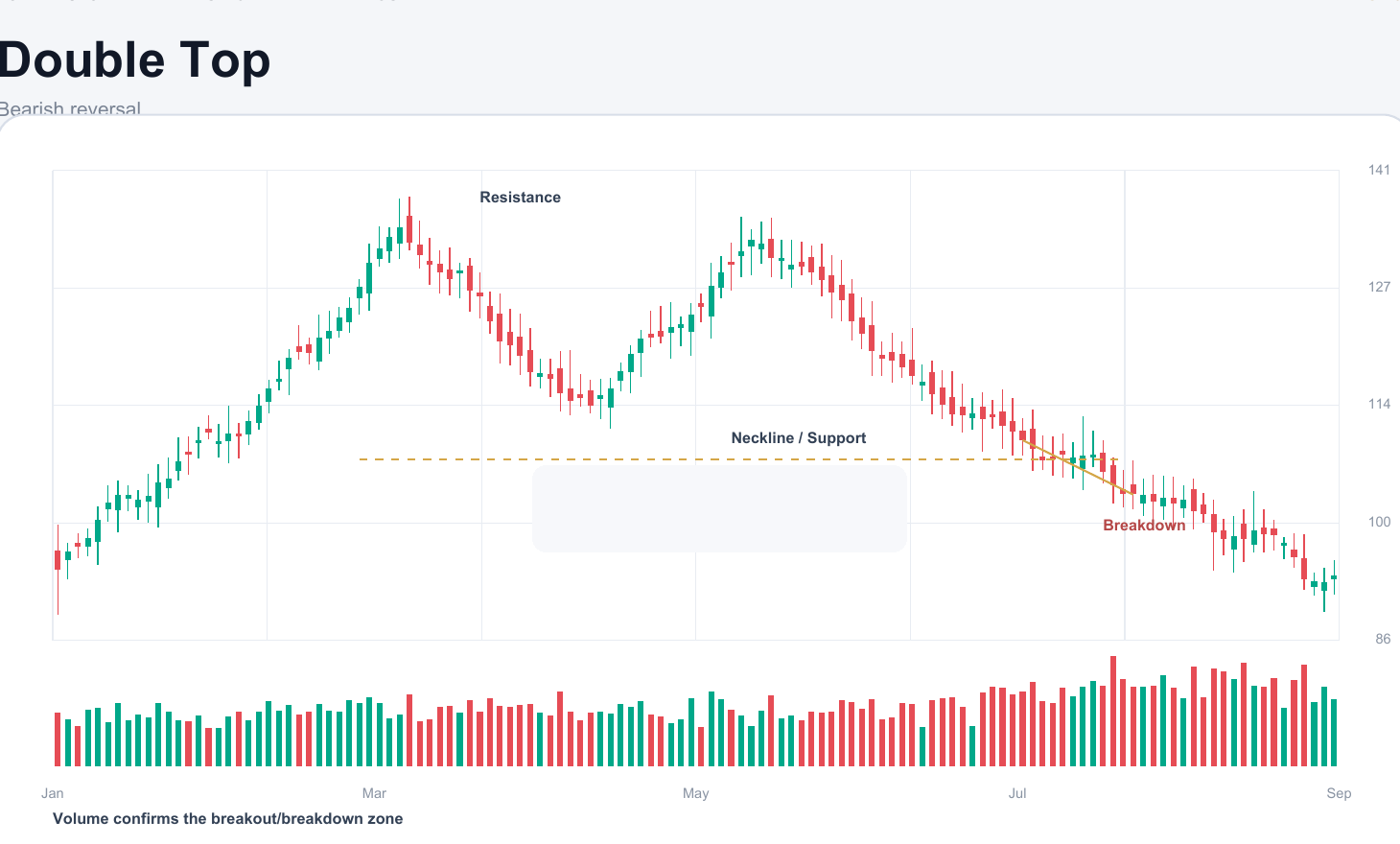
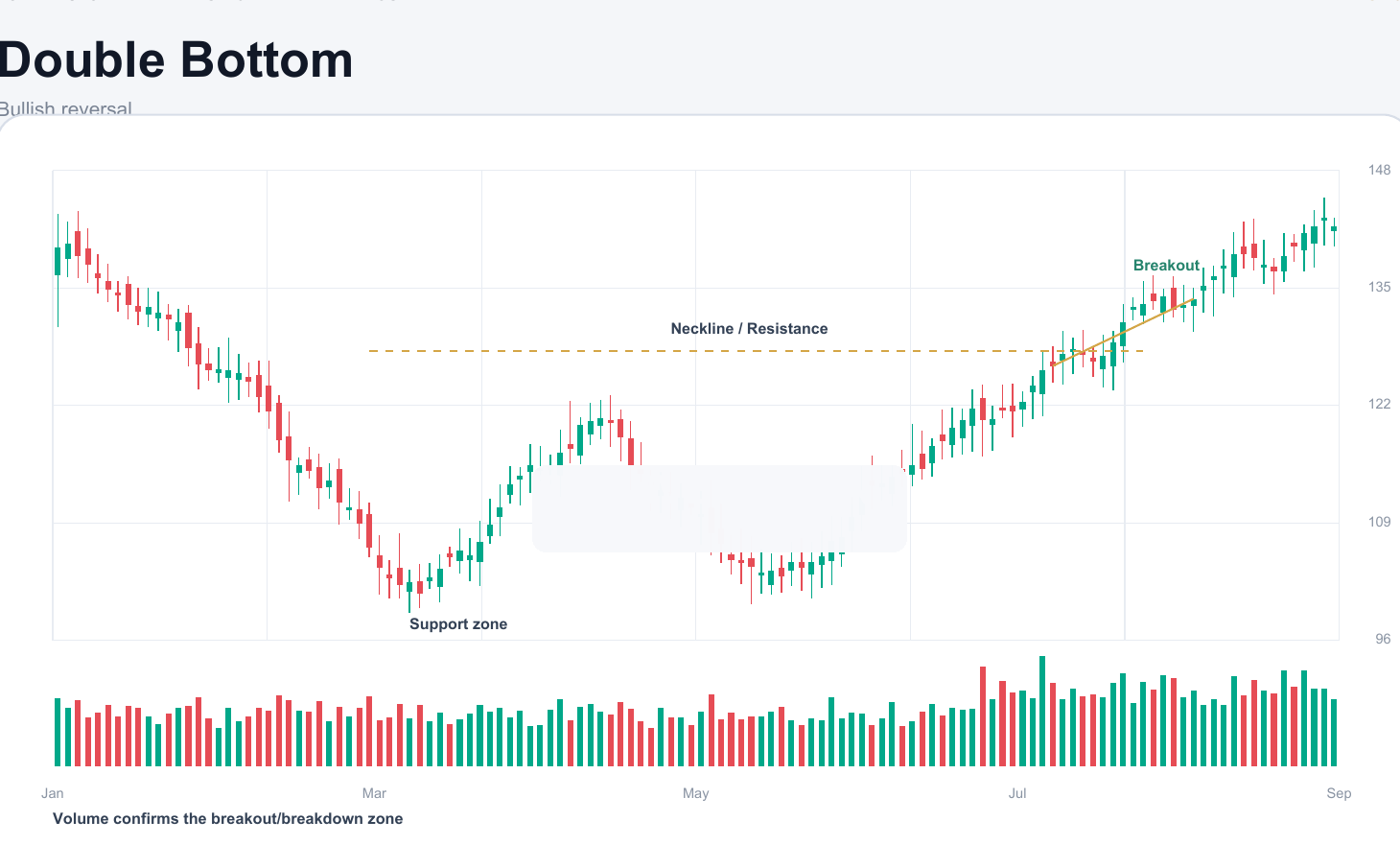
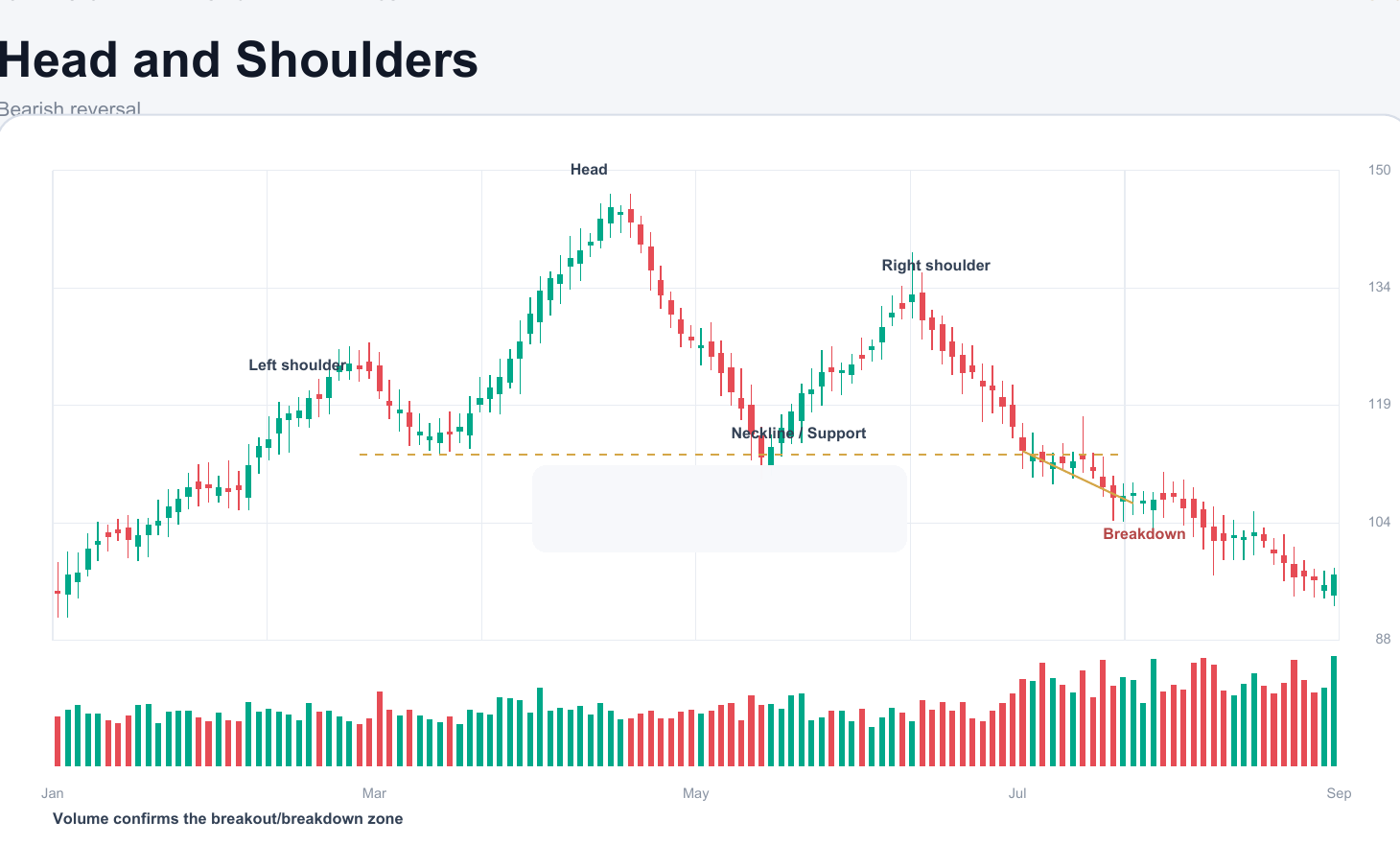
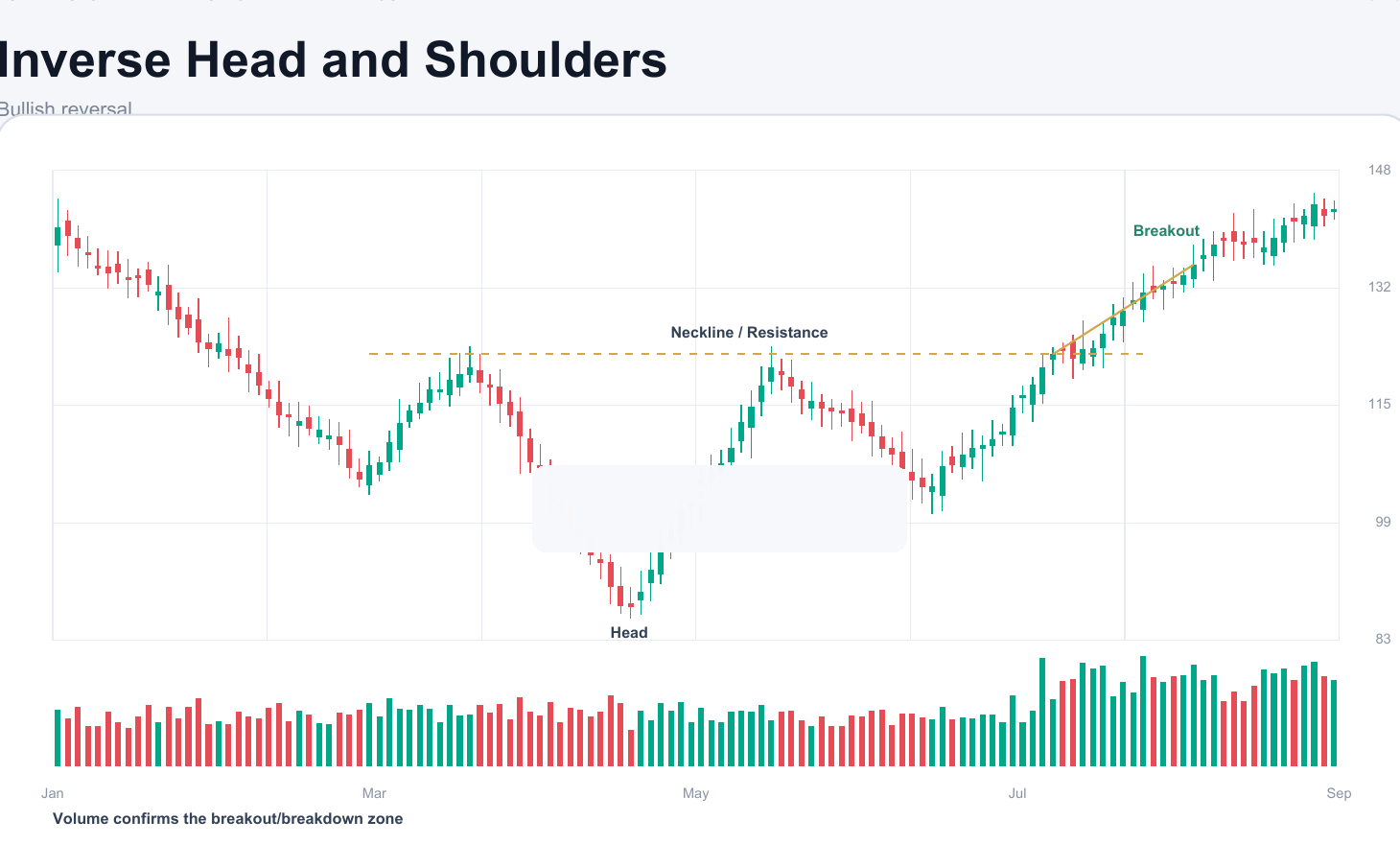
Reversal patterns tab appear hote hain jab prolonged move kisi important zone ke aas-paas quality lose karna start karti hai. Double top, double bottom, head and shoulders, inverse head and shoulders aur rounding bottom sab isi shift ko capture karne ki attempts hote hain.
Core message sirf yeh nahi hota ki 'trend reverse hogi.' Better message yeh hota hai ki ek side control extend nahi kar pa rahi aur doosri side zyada active hoti ja rahi hai. Yahi behaviour change reversal patterns ko value deta hai.
Meaningful prior trend ke bina reversal pattern naturally weak hota hai. Agar real uptrend hi nahi thi to double top warning ka weight kam ho jata hai. Agar real downtrend hi nahi thi to double bottom itna attention deserve nahi karta.
How Reversal Structures Form
Zyada tar reversal structures repeated failed attempts se banti hain. Double top me price resistance area tak do baar pahunchti hai, lekin uske upar sustain nahi kar pati. Head and shoulders me middle push stronger lagti hai, lekin hold nahi kar pati, aur final push weaker conviction dikhata hai.
Bullish reversals opposite way me kaam karti hain. Double bottom me sellers previous low ke neeche meaningfully push nahi kar paate aur buyers better quality ke saath respond karna start kar dete hain. Inverse head and shoulders me demand dheere-dheere build hoti hai aur neckline real test ban jati hai.
Rounding bottoms slower aur more gradual hoti hain. Yeh heavy selling pressure se stabilisation aur fir improving demand tak ka transition dikhati hain. Isi liye yeh sharp V-shaped reversals se different hoti hain.
Neckline Break, Confirmation and Failure
Reversal patterns tab practical banti hain jab confirmation aati hai. Yeh confirmation aksar neckline break, key level ke through strong close, ya breakout ke baad visible follow-through se aati hai.
Volume yahan help kar sakta hai, especially jab break kisi well-watched level se ho. Retests bhi clarity improve kar sakte hain. Example ke liye agar double bottom neckline ke upar break kare aur baad me wahi old resistance support ki tarah hold ho, to bullish case stronger lagta hai.
Pattern failure bhi information deti hai. Agar koi supposed reversal trigger todne ke baad jaldi se structure ke andar wapas aa jaye, to woh trap behaviour signal kar sakta hai. Bahut beginners isse ignore karke original idea ko hi defend karte rehte hain.
Real Market Use and Common Confusion
Practical beginner example yeh hai: koi stock 420 se 500 tak rally kare, 500 ke paas do baar fail ho, aur 470 neckline ke neeche break kar de. Yeh pattern tab zyada matter karti hai jab broader market bhi weak ho aur breakdown par volume expand kare.
Lekin agar wahi stock 500 ke paas briefly pause kare, do similar highs print kare, aur fir 500 ke upar breakout strength ke saath aa jaye, to jo double top lag raha tha woh simply failed bearish pattern bhi ho sakta hai. Real charts aapke pehle label ko respect karne ke liye obligated nahi hoti.
Isi liye reversal analysis flexible rehni chahiye. Pattern framework hoti hai, stubborn opinion nahi.
Common Beginner Mistakes
Sabse common mistake reversal ko bahut jaldi anticipate karna hai. Traders shape banti dekh kar actual trigger aane se pehle hi entry le lete hain.
Doosri mistake perfect symmetry demand karna hai. Real markets imperfect but valid structures bhi banati hain. Textbook beauty se zyada clarity, level aur behaviour matter karte hain.
Teesri mistake measured target ko certainty samajhna hai, jabki nearby support-resistance aur broader market condition ignore ho jati hai.
Most Beginners Miss This
Reversal pattern dekhkar pehla sawaal target ka nahi hona chahiye. Pehla sawaal yeh hona chahiye ki trigger level kya hai aur invalidation kab hogi.